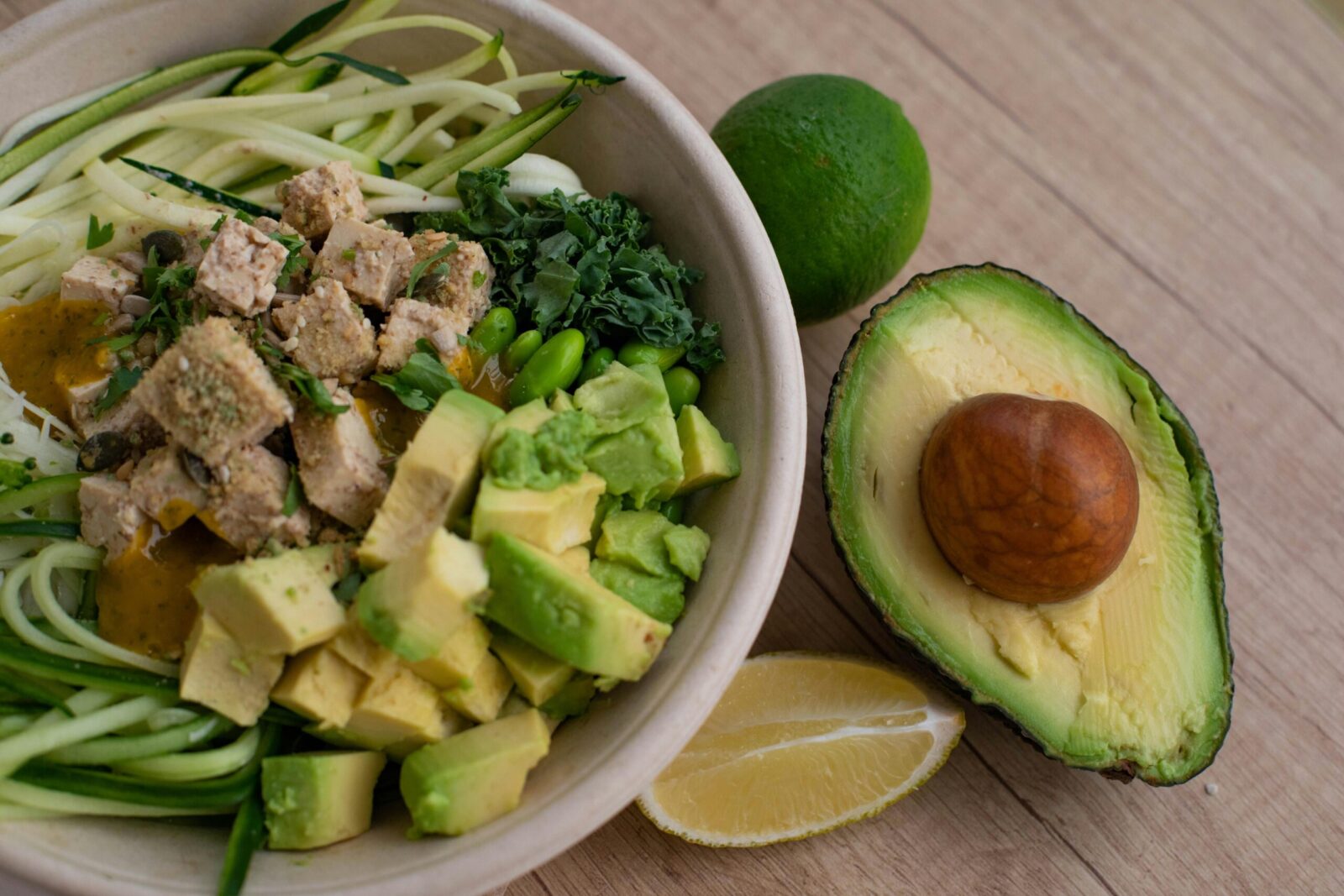
The ketogenic diet, commonly known as the keto diet, has become one of the most popular ways to lose weight and improve overall health. By focusing on low carbohydrates and high fats, the keto diet helps your body enter a metabolic state called ketosis, where fat is burned for energy instead of carbs.
If you’re new to this lifestyle, this in-depth guide will walk you through a keto diet plan for beginners, including food lists, meal plans, and practical tips to get started successfully.
What Is the Keto Diet?
The keto diet is a low-carb, high-fat, moderate-protein diet designed to shift your body’s energy source from carbohydrates to fats.
Macronutrient Breakdown:
- Fats: 70–75%
- Protein: 20–25%
- Carbohydrates: 5–10%
When carbs are limited, your body produces ketones, which become the primary energy source.
Benefits of the Keto Diet
- Promotes rapid weight loss
- Reduces hunger and cravings
- Improves blood sugar control
- Boosts energy levels
- Enhances mental focus
How Ketosis Works
Normally, your body uses glucose (from carbs) for energy. On keto:
- Carb intake is reduced
- Glycogen stores are depleted
- The liver produces ketones
- Fat becomes the main fuel source
This process is called ketosis, and it’s the key to the keto diet’s effectiveness.
Foods to Eat on a Keto Diet
Healthy Fats
- Butter and ghee
- Coconut oil
- Olive oil
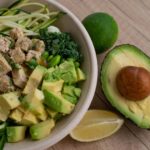
- Avocados
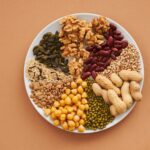
- Nuts and seeds
Protein Sources
- Eggs
- Chicken
- Fish
- Paneer
- Tofu
Low-Carb Vegetables
- Spinach
- Broccoli
- Cauliflower
- Zucchini
- Bell peppers
Dairy
- Cheese
- Cream
- Greek yogurt (unsweetened)
Foods to Avoid
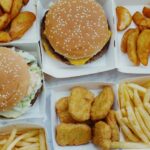
- Sugar and sweets
- Bread, rice, and pasta
- Potatoes and high-carb vegetables
- Soft drinks and juices
- Processed snacks
Avoiding these foods is essential to maintain ketosis.
7-Day Keto Diet Plan for Beginners
Day 1
- Breakfast: Omelette with cheese
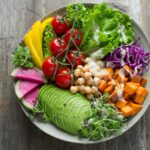
- Lunch: Grilled chicken salad
- Dinner: Paneer cooked in butter with veggies
Day 2
- Breakfast: Greek yogurt with nuts
- Lunch: Egg salad with olive oil
- Dinner: Fish with sautéed spinach
Day 3
- Breakfast: Bulletproof coffee (coffee + butter)
- Lunch: Paneer tikka
- Dinner: Chicken stir-fry with vegetables
Day 4
- Breakfast: Scrambled eggs with avocado
- Lunch: Tuna salad
- Dinner: Cauliflower rice with paneer
Day 5
- Breakfast: Cheese omelette
- Lunch: Grilled tofu salad
- Dinner: Butter chicken (low-carb version)
Day 6
- Breakfast: Keto smoothie (low-carb fruits + cream)
- Lunch: Egg curry
- Dinner: Stir-fried vegetables with paneer
Day 7
- Breakfast: Boiled eggs and nuts
- Lunch: Chicken salad
- Dinner: Zucchini noodles with cheese
Tips for Beginners
- Start slow: Gradually reduce carbs
- Stay hydrated: Drink plenty of water
- Increase salt intake: Helps prevent keto flu
- Track your macros: Use apps if needed
- Plan meals ahead
Common Side Effects (Keto Flu)
In the first few days, you may experience:
- Headache
- Fatigue
- Dizziness
- Irritability
These symptoms are temporary and usually go away within a week.
Mistakes to Avoid
- Eating too much protein
- Not consuming enough fats
- Hidden carbs in sauces and packaged foods
- Skipping vegetables
- Lack of meal planning
Is Keto Diet Safe?
For most healthy individuals, the keto diet is safe when followed correctly. However, people with medical conditions should consult a doctor before starting.
Final Thoughts
The keto diet plan for beginners is a powerful tool for weight loss and improved health when done correctly. By focusing on low carbs, high fats, and balanced nutrition, you can train your body to burn fat efficiently.
Consistency is key—start simple, stick to the plan, and gradually adapt to the keto lifestyle for long-term success.