A well-planned gym diet is essential for building muscle, improving strength, and speeding up recovery. Among all nutrients, protein plays the most crucial role in muscle repair and growth. Whether you’re trying to bulk up, lose fat, or maintain lean muscle, choosing the right high-protein foods can make a significant difference.
This in-depth guide covers the best high protein foods for a gym diet, including vegetarian and non-vegetarian options, along with practical tips for maximizing results.
Why Protein Is Important for Gym-Goers
Protein is made up of amino acids, which are the building blocks of muscles. When you work out, your muscle fibers break down—and protein helps rebuild them stronger.
Key Benefits:
- Supports muscle growth and repair
- Helps in faster recovery after workouts
- Keeps you full longer (reduces cravings)
- Boosts metabolism and fat loss
How Much Protein Do You Need?
Your daily protein requirement depends on your fitness goals:
- Beginners: 1.0–1.2g per kg body weight
- Muscle gain: 1.5–2.2g per kg
- Fat loss: 1.6–2.0g per kg
Example: If you weigh 70 kg, aim for 105–140g protein daily for muscle gain.
Best High Protein Foods for Gym Diet
1. Eggs
Protein: ~6g per egg
Eggs are one of the most complete protein sources, containing all essential amino acids.
How to eat:
- Boiled eggs
- Omelette
- Scrambled eggs
2. Chicken Breast
Protein: ~31g per 100g
A staple in most gym diets, chicken breast is lean, low in fat, and rich in protein.
How to eat:
- Grilled chicken
- Stir-fry
- Chicken salad
3. Paneer (Cottage Cheese)
Protein: ~18g per 100g
Perfect for vegetarians, paneer is rich in casein protein, which digests slowly.
How to eat:
- Paneer bhurji
- Grilled paneer
- Add to salads
4. Lentils (Dal)
Protein: ~9g per 100g (cooked)
Lentils are affordable and packed with protein and fiber.
How to eat:
- Dal curry
- Khichdi
- Soup
5. Greek Yogurt (Curd)
Protein: ~10g per 100g
High in protein and probiotics, it supports digestion and muscle recovery.
How to eat:
- With fruits
- Smoothies
- As a side dish
6. Fish (Salmon, Tuna)
Protein: ~20–25g per 100g
Fish provides high-quality protein and omega-3 fatty acids.
How to eat:
- Grilled fish
- Fish curry
- Baked fish
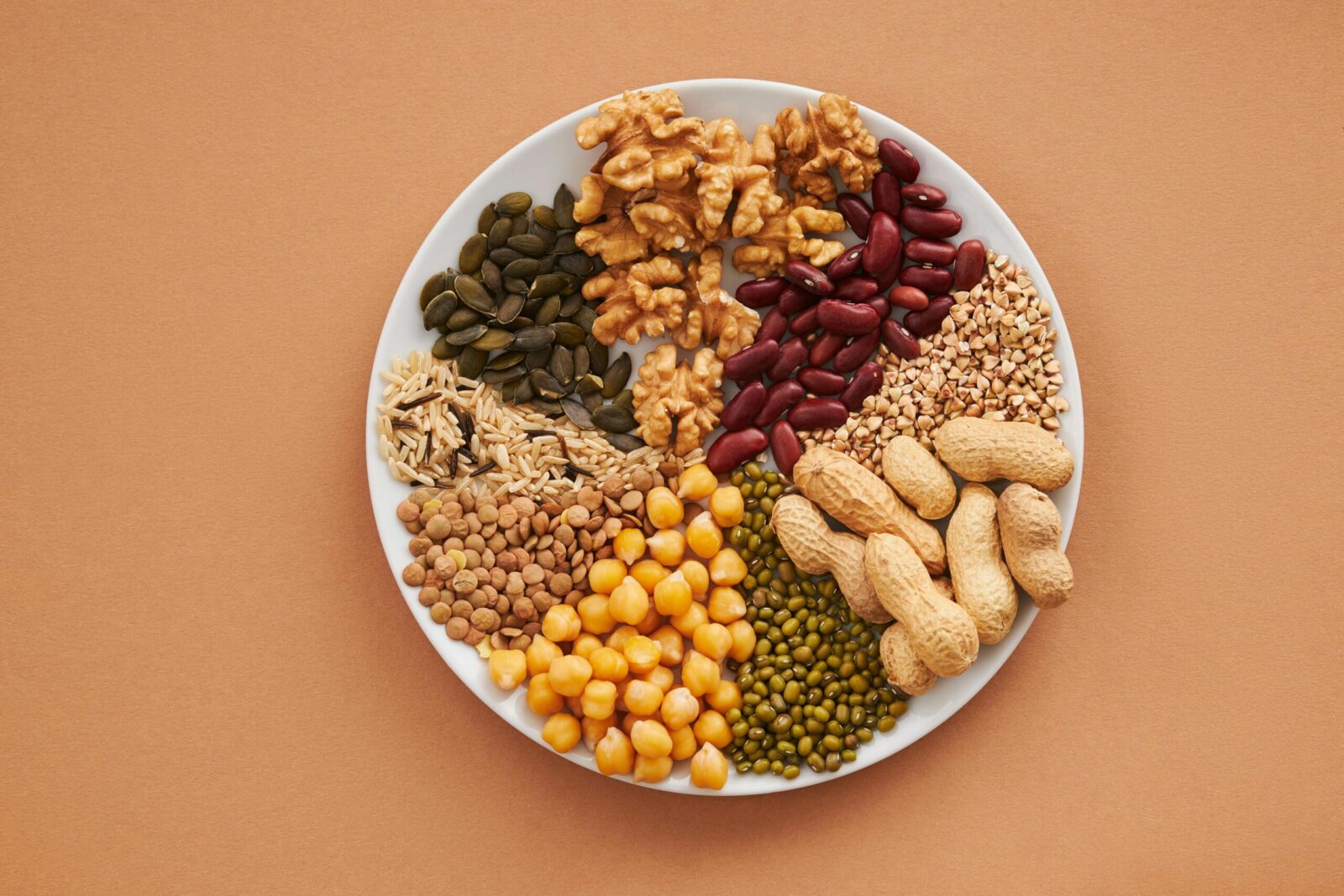
7. Chickpeas (Chana)
Protein: ~15g per cup
A great plant-based protein source, also rich in fiber.
How to eat:
- Chana masala
- Salads
- Roasted snacks
8. Tofu
Protein: ~8g per 100g
A popular plant-based protein alternative to paneer.
How to eat:
- Stir-fried tofu
- Tofu curry
- Grilled tofu
9. Peanut Butter
Protein: ~8g per 2 tbsp
Rich in protein and healthy fats, great for quick energy.
How to eat:
- Spread on toast
- Add to smoothies
- With fruits
10. Whey Protein
Protein: ~20–25g per scoop
One of the fastest-digesting proteins, ideal post-workout.
How to use:
- Protein shakes
- Smoothies
- With milk or water
Vegetarian High Protein Options
If you follow a vegetarian diet, combine multiple sources:
- Paneer + roti
- Dal + rice
- Chickpeas + salad
- Tofu + vegetables
Combining foods ensures a complete amino acid profile.
Sample High Protein Gym Diet Plan
Breakfast
- 3 boiled eggs or paneer bhurji
- 1 toast or oats
Mid-Morning
- Greek yogurt with fruits
Lunch
- Brown rice or roti
- Dal or chicken
- Vegetables
Pre-Workout
- Banana + peanut butter
Post-Workout
- Whey protein shake
Dinner
- Grilled chicken / paneer / tofu
- Salad or vegetables
Tips to Maximize Protein Intake
- Include protein in every meal
- Eat within 30–60 minutes post-workout
- Spread protein intake throughout the day
- Stay hydrated
- Combine protein with strength training
Common Mistakes to Avoid
- Relying only on supplements
- Ignoring whole foods
- Consuming excess protein without exercise
- Skipping meals
- Not balancing carbs and fats
Final Thoughts
Choosing the best high protein foods for a gym diet is essential for achieving your fitness goals. Whether you prefer vegetarian or non-vegetarian options, there are plenty of affordable and accessible protein sources available.
Focus on consistency, balanced meals, and proper training. With the right diet plan, you’ll not only build muscle but also improve overall health and performance.