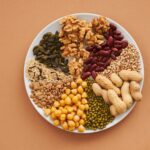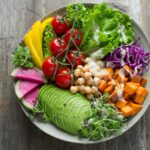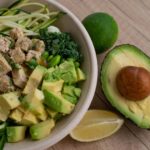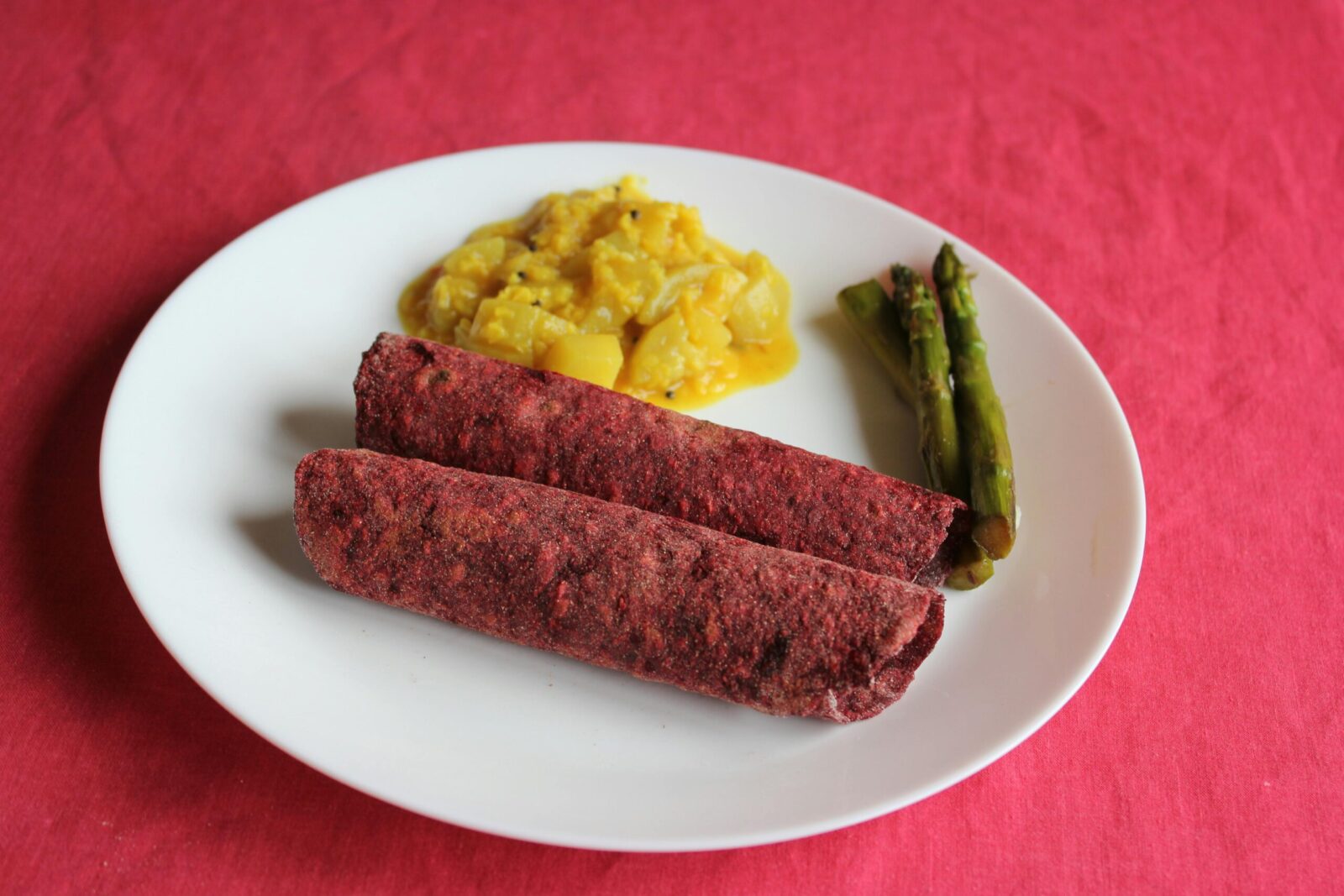
Losing weight doesn’t require extreme dieting or expensive superfoods. With the right approach, a healthy Indian diet plan for weight loss can help you shed extra kilos while still enjoying familiar, flavorful meals. Indian cuisine is naturally rich in nutrients, spices, and balanced food groups—making it ideal for sustainable weight loss.
This in-depth guide covers everything you need to know, including meal plans, food choices, and practical tips.
Why Choose an Indian Diet for Weight Loss?
A traditional Indian diet offers several benefits:
- Balanced nutrition: Includes carbohydrates, proteins, healthy fats, and fiber
- Rich in spices: Ingredients like turmeric, cumin, and ginger boost metabolism
- Plant-based options: Plenty of vegetarian protein sources
- Affordable and accessible: No need for exotic ingredients
When portion sizes and cooking methods are controlled, Indian food can be highly effective for weight loss.
Key Principles of a Healthy Indian Diet Plan
1. Control Portion Sizes
Even healthy foods can lead to weight gain if overeaten. Use smaller plates and avoid second servings.
2. Focus on Whole Foods
Choose:
- Whole grains (roti, brown rice, millets)
- Fresh vegetables
- Fruits
- Lean proteins
Avoid processed and packaged foods.
3. Increase Protein Intake
Protein helps keep you full longer and supports fat loss. Include:
- Paneer
- Lentils (dal)
- Chickpeas
- Eggs
- Chicken or fish
4. Reduce Sugar and Refined Carbs
Limit:
- White bread
- Sugary drinks
- Sweets and desserts
5. Stay Hydrated
Drink at least 2–3 liters of water daily. Herbal teas and lemon water are good additions.
Sample Healthy Indian Diet Plan for Weight Loss
Early Morning (6:30–7:00 AM)
- Warm water with lemon
- 4–5 soaked almonds
Breakfast (8:00–9:00 AM)
Choose one:
- Vegetable poha (less oil)
- 2 boiled eggs + 1 toast
- Oats upma
- Moong dal chilla with chutney
Tip: Include protein to stay full longer.
Mid-Morning Snack (11:00 AM)
- 1 fruit (apple, papaya, or guava)
- Green tea or coconut water
Lunch (1:00–2:00 PM)
- 2 whole wheat rotis or 1 cup brown rice
- 1 bowl dal
- 1 bowl sabzi (vegetables)
- Salad (cucumber, carrot, onion)
- Curd (optional)
Tip: Keep oil minimal and avoid fried foods.
Evening Snack (4:30–5:30 PM)
- Roasted chana or makhana
- Buttermilk or herbal tea
Dinner (7:30–8:30 PM)
- 1–2 rotis with vegetables
- Grilled chicken / paneer / tofu
- Soup (optional)
Tip: Keep dinner light and low in carbs.
Post-Dinner (Optional)
- Warm turmeric milk (low-fat) or herbal tea
Best Indian Foods for Weight Loss
High-Protein Foods
- Lentils (dal)
- Paneer (low-fat)
- Eggs
- Chicken breast
- Greek yogurt
Fiber-Rich Foods
- Oats
- Brown rice
- Whole wheat roti
- Vegetables (spinach, broccoli, beans)
- Fruits (apple, pear)
Healthy Fats
- Nuts and seeds
- Ghee (in small quantities)
- Coconut
Foods to Avoid
- Deep-fried snacks (samosa, pakora)
- Sugary sweets (gulab jamun, laddoo)
- Refined flour products (maida-based foods)
- Soft drinks and packaged juices
- Excessive oil and butter
Weekly Diet Rotation Idea
To avoid boredom, rotate meals:
- Swap poha with upma or idli
- Replace dal with rajma or chole
- Alternate between paneer, tofu, and chicken
- Include different vegetables daily
Variety ensures better nutrition and sustainability.
Lifestyle Tips for Faster Weight Loss
- Eat slowly: Helps control portions
- Exercise regularly: Combine cardio and strength training
- Sleep well: Aim for 7–8 hours daily
- Avoid late-night eating
- Stay consistent: Results take time
Common Mistakes to Avoid
- Skipping meals (slows metabolism)
- Following extreme crash diets
- Ignoring protein intake
- Overeating “healthy” foods
- Not tracking progress
Final Thoughts
A healthy Indian diet plan for weight loss is not about restriction—it’s about balance, portion control, and consistency. By choosing wholesome foods, managing portions, and maintaining an active lifestyle, you can achieve sustainable weight loss without giving up your favorite meals.
Start with small changes, stick to the plan, and focus on long-term health rather than quick fixes.